
Entry
Filler Swelling and Bruising Timeline
The single most useful thing I can tell you about filler is that day two is worse than day one.
People leave the appointment, check the mirror that evening, decide it's fine, and make plans. Then they wake up thirty-six hours later with a face that has decided to hold water, and they spend the day convinced something has gone badly wrong. Nothing has. That's the shape of the curve, and knowing it in advance changes the experience entirely.
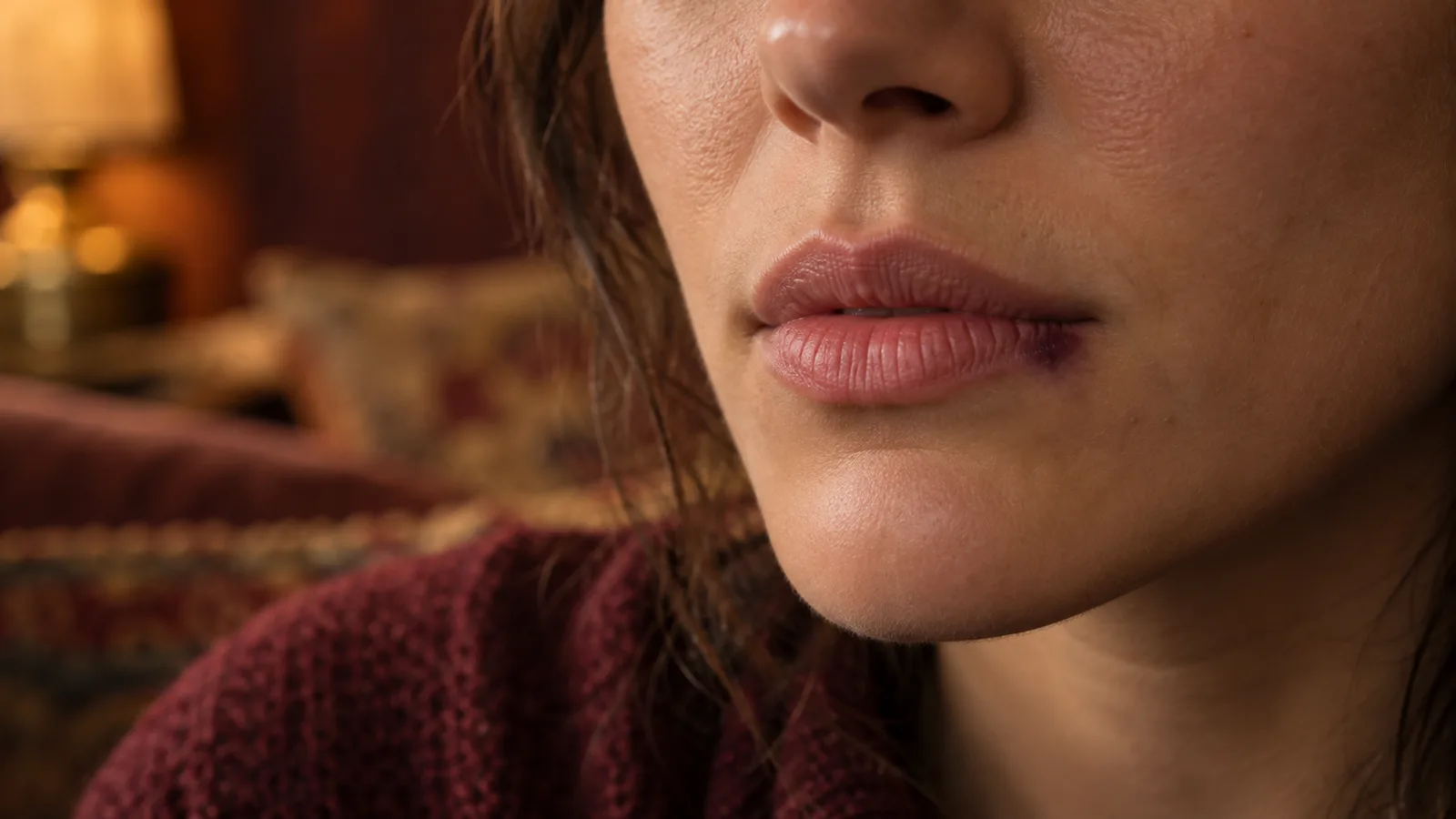
The curve, day by day
The appointment. You'll see a change immediately, partly product and partly the tissue reacting to being injected. Do not evaluate anything on this basis. Some practitioners will hand you a mirror; look, nod, and hold your opinion.
Evening of day one. Mild swelling, possibly some redness at the injection points, maybe tenderness. Often looks quite good, which is the trap.
Day two into day three. The peak. Swelling is at its most obvious and least symmetrical, and any bruising that's going to appear usually shows up now rather than immediately. Lips swell more dramatically than anywhere else and can look genuinely startling.
Days four to seven. Steady decline. Bruises change colour and start to fade. Most of the visible swelling resolves across this stretch, and by the end of the week most people can go about their business without anyone commenting.
Weeks two to four. The quiet part. Residual firmness softens, the product settles into the tissue, and asymmetry that bothered you in week one usually evens out. This is when the result becomes the result.
Judge nothing before two weeks. Judge properly at four.
Bruising is a separate clock
Swelling and bruising don't run on the same schedule and it's worth separating them in your head.
Swelling is mostly done inside a week. A bruise can take ten days to fade fully, longer around the eyes and lips where the skin is thin and the vessels are close. Bruises also migrate downward as they resolve, which surprises people, and they change colour on the way.
Whether you bruise is partly technique, partly anatomy, and partly whether you're taking something that thins the blood. Mention everything you take in the consultation, supplements included. That's a planning conversation, not a reason to stop anything prescribed.
What's expected and what's a phone call
Expected: swelling, asymmetry in the first week, bruising, tenderness, small firm areas that soften over a few weeks, and a general sense on day two that you've made a terrible decision.
A phone call: pain that's increasing rather than decreasing, skin that goes white or dusky or blotchy in a pattern, any vision change, or signs of spreading infection. These are uncommon and they're time-sensitive. Whoever treats you should give you the after-hours number before you leave the building, and if they don't, ask for it at the desk.
I'd rather be repetitive about this than subtle. Most people never need it. The ones who do need it fast.
Booking backwards
Here's the rule I'd actually use. Find the fixed point in your calendar, then put filler four weeks before it. Not two. Four.
Two weeks covers the swelling and most of the bruise. Four covers the settling as well, plus the possibility of a small adjustment at the two-week check. If you're doing lips, be more generous still, because lips are the least forgiving area on this timeline and the most photographed.
For anyone whose week involves being in front of people on Mondays, treat Thursday as the earliest sensible appointment day and assume the weekend is written off. That's not a hardship, it's just a thing to know before you book rather than after.
Living normally while it settles
The standard aftercare is to stay upright for several hours, skip heavy exercise, heat and saunas for a day or two, and avoid pressing or massaging the area unless you've specifically been told to. Ask for the practice's own version in writing.
The practical friction around here is heat and exertion rather than anything exotic. A warm platform in summer is fine. A brisk walk up the hill in August with a bag on each shoulder is closer to the line. A gym session on the way home is the thing to move.
Cold helps early on, gently and briefly, and sleeping with your head a bit elevated for the first couple of nights makes the day-two peak less dramatic. Neither is magic. Both are free.
If you want to sanity-check the week you're booking into, local coverage of what's happening in town is a quick way to spot the weekend you'd forgotten about, and the National Weather Service forecast will tell you whether you're walking into a heatwave.
When it's settled
At two weeks you can evaluate and, if something's genuinely uneven, a small adjustment is a normal part of the process rather than a sign of failure.
That's the appointment worth protecting. It's also the argument for having filler placed somewhere you can easily get back to, whether that's around the corner or a short hop to the Ethos team in Hoboken. Wherever you go, the follow-up is where a good result gets finished, and the people who skip it are the ones who live with something they'd have fixed in five minutes.
Expect day two to be the worst of it, book four weeks ahead of anything that matters, and don't form an opinion until the fortnight is up.